Artificial Intelligence is Transforming Diabetic Retinopathy Detection with Faster, More Accurate, and Accessible Retinal Screening
Diabetic retinopathy (DR) remains one of the leading causes of preventable blindness worldwide. Millions of people living with diabetes are at risk of vision loss due to delayed diagnosis and limited access to retinal screening, especially in underserved and remote regions.
Today, Artificial Intelligence (AI) is changing that reality. AI-powered retinal screening solutions help healthcare professionals detect diabetic retinopathy earlier, faster, and more accurately than ever before. By analyzing retinal images for abnormalities such as microaneurysms, hemorrhages, and retinal lesions, AI technology enables timely treatment and helps prevent irreversible blindness.
At Artelus, we combine deep learning, Fundus imaging, OCT technology, and explainable AI to make retinal diagnostics accessible, affordable, and scalable for healthcare providers worldwide.
Key Highlights
- Autonomous Artificial Intelligence is transforming diabetic retinopathy detection and helping prevent vision loss and blindness.
- AI-powered retinal screening is increasing screening coverage and improving follow-up rates for diabetic patients.
- Diabetic retinopathy AI screening helps close healthcare gaps in underserved and remote regions.
- Artificial Intelligence models improve diagnostic accuracy with high sensitivity and specificity.
- AI-powered healthcare solutions make retinal screening more accessible, efficient, and cost-effective.
- Deep learning in healthcare enables faster diagnosis, real-time triaging, and scalable retinal screening programs.
Introduction – Diabetes and the Growing Burden of Blindness
Diabetic retinopathy is a serious complication of diabetes that affects the blood vessels of the retina. If left untreated, DR can progress silently and eventually lead to severe vision impairment or blindness.
According to global healthcare estimates, millions of people currently live with diabetic retinopathy, and the number continues to rise alongside the growing prevalence of diabetes. Early diagnosis remains the most effective way to prevent disease progression and preserve vision.
However, traditional retinal screening programs often face major challenges:
- Shortage of ophthalmologists
- Limited access to eye care in rural regions
- High screening costs
- Delayed diagnosis
- Lack of awareness and education
This is where Artificial Intelligence and deep learning in healthcare are transforming retinal diagnostics.
Understanding Diabetic Retinopathy
Diabetic retinopathy develops when prolonged high blood sugar damages retinal blood vessels. Over time, the vessels may leak, swell, or form abnormal new blood vessels, affecting vision quality.
Common Signs and Symptoms
- Blurred vision
- Floaters
- Difficulty seeing at night
- Dark or empty spots in vision
- Gradual vision loss
In many patients, diabetic retinopathy develops without noticeable symptoms in the early stages, making regular retinal screening essential.
The Role of Artificial Intelligence in Diabetic Retinopathy Detection
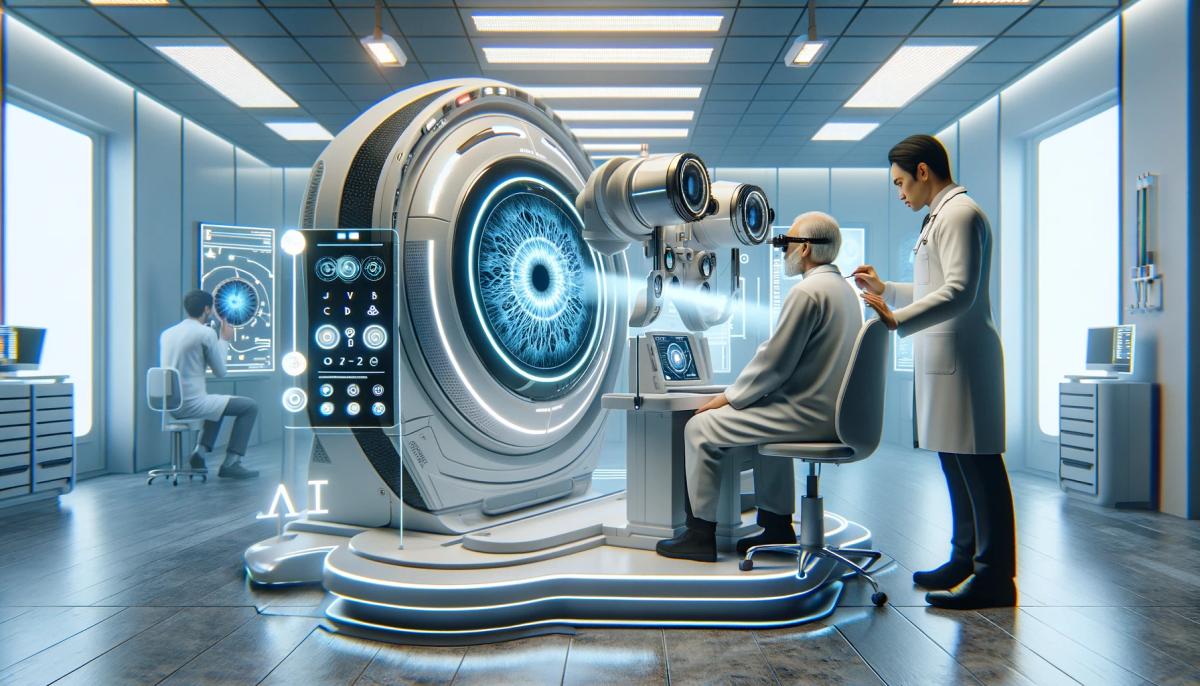
Artificial Intelligence has revolutionized retinal diagnostics by enabling automated analysis of Fundus and OCT images. Using advanced deep learning models, AI systems can identify retinal abnormalities with high sensitivity and specificity.
AI-powered retinal screening helps healthcare professionals by:
- Detecting early-stage diabetic retinopathy
- Identifying microaneurysms and hemorrhages
- Supporting rapid diagnosis
- Reducing dependency on specialists
- Improving screening efficiency
- Enabling large-scale retinal care programs
The integration of AI into healthcare allows clinicians to provide faster and more reliable retinal screening, especially in regions with limited specialist access.
Artelus and AI-Powered Retinal Screening
At Artelus, our mission is to prevent avoidable blindness through Artificial Intelligence-driven retinal diagnostics.
Through advanced Fundus imaging systems, portable OCT devices, and our proprietary DRISTi AI platform, we are helping healthcare professionals detect diabetic retinopathy, glaucoma, AMD, DME, and multiple retinal diseases earlier and more efficiently.
Artelus Impact in Retinal Screening
- Over 203,000 patients screened
- More than 48,000 DR-positive cases identified
- AI-powered detection across multiple retinal diseases
- Portable and operator-independent retinal imaging
Our solutions are designed to support hospitals, clinics, telemedicine providers, outreach camps, and public health programs.
Introducing DRISTi AI: Intelligent Retinal Analysis
DRISTi (Diabetic Retinopathy Intelligent Screening Technology Integrated) is Artelus’ advanced deep learning platform developed for automated retinal disease detection.
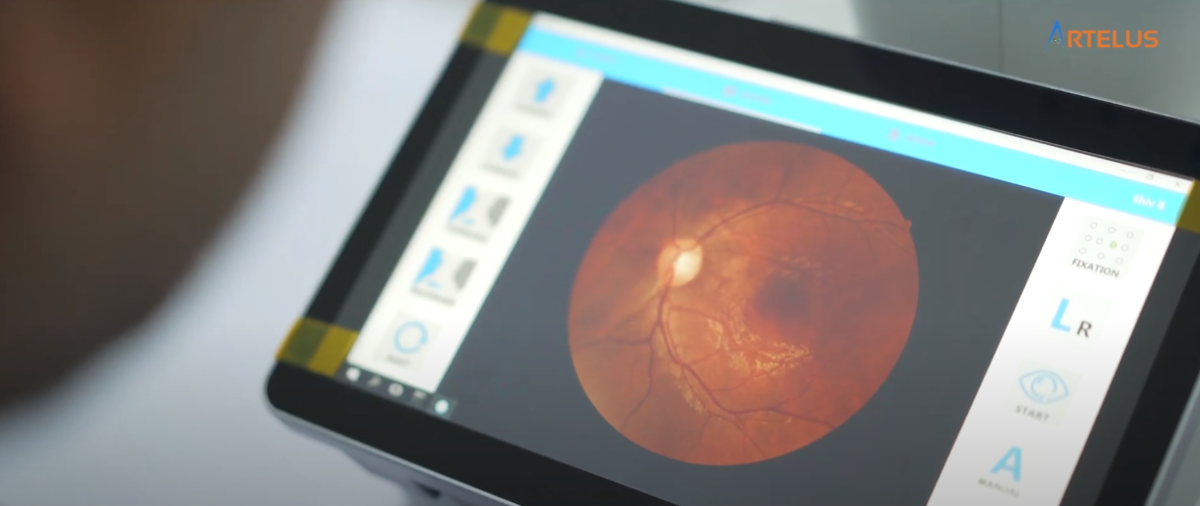
DRISTi AI analyzes Fundus and OCT images using sophisticated neural network architectures and attention-based deep learning systems.
What Makes DRISTi AI Different?
- Camera-agnostic AI platform
- Multi-disease detection capability
- Explainable AI visualization
- High diagnostic accuracy
- Fast and scalable retinal analysis
- Supports cloud and edge deployment
AI and Healthcare: Real-World Impact
Artificial Intelligence is not just improving retinal screening technology — it is transforming healthcare accessibility globally.
How AI is Improving Vision Care
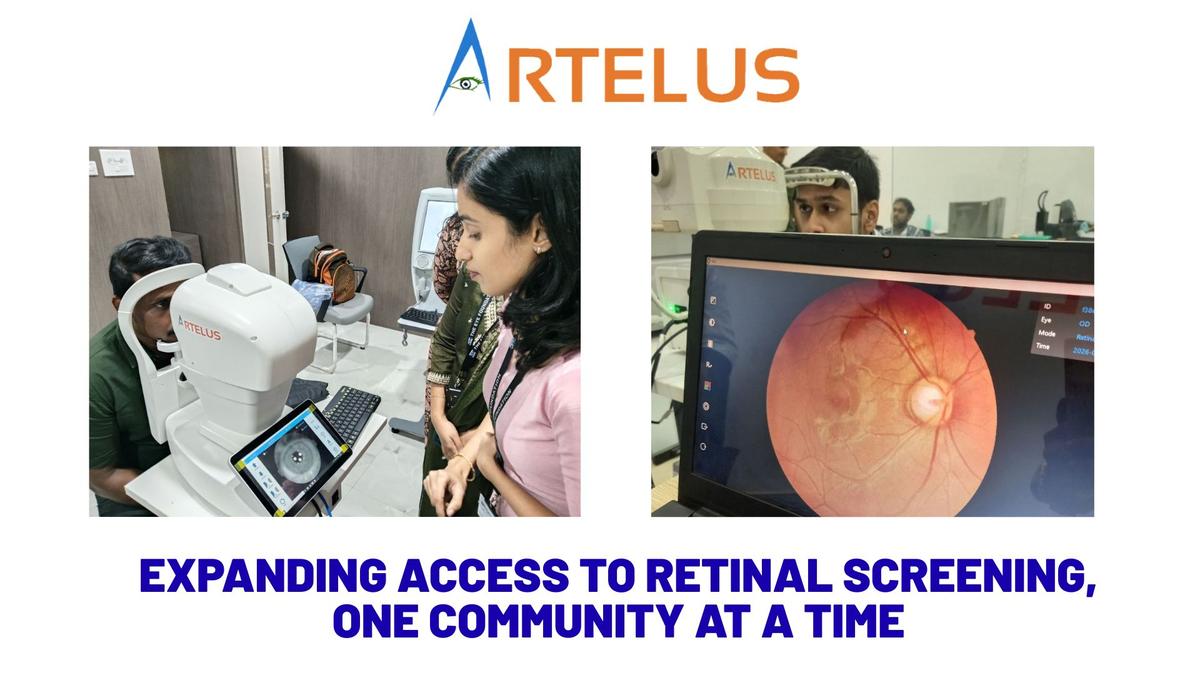
- Expanding retinal screening programs
- Supporting tele-ophthalmology
- Increasing early diagnosis rates
- Reducing healthcare burden
- Improving patient outcomes
- Enabling scalable community healthcare
In regions with limited ophthalmology infrastructure, AI-powered diagnostics help bridge the gap between patients and specialist care.
Challenges and Future Directions
While AI has demonstrated tremendous potential in retinal diagnostics, several challenges remain.
Key Challenges
- Data privacy and security
- Regulatory approvals
- Model bias and fairness
- Integration into healthcare workflows
- Standardization across healthcare systems
Future developments in AI healthcare will focus on improving model transparency, clinical validation, interoperability, and broader adoption across healthcare systems worldwide.
Collaborations and Global Healthcare Initiatives
The future of AI-driven retinal care depends on collaboration between:
- Healthcare providers
- Technology companies
- Researchers
- Governments
- Public health organizations
Partnerships are essential for expanding retinal screening programs, improving healthcare access, and reducing preventable blindness globally.
Why Choose Artelus?
- AI-powered retinal diagnostics
- Made-in-India innovation
- Portable and operator-independent imaging
- Affordable and scalable healthcare solutions
- Explainable AI technology
- Focused on preventing avoidable blindness
At Artelus, we believe healthcare innovation should serve the forgotten billions by making advanced diagnostics accessible to everyone.
Conclusion
Artificial Intelligence is revolutionizing diabetic retinopathy detection and transforming the future of retinal healthcare. From automated retinal image analysis to deep learning-powered disease detection, AI is enabling earlier diagnosis, faster treatment, and improved patient outcomes worldwide.
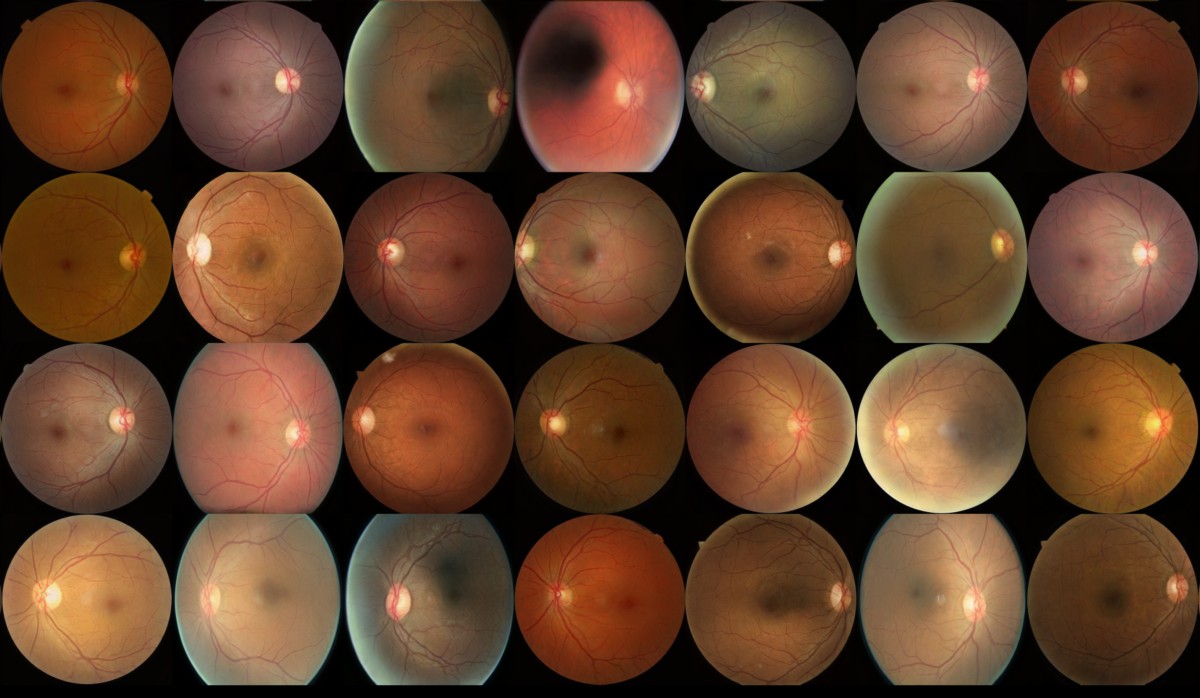
Through innovations like DRISTi AI, portable Fundus cameras, OCT imaging, and GAN-generated retinal datasets, Artelus is helping reshape how retinal diseases are detected and managed.
The future of vision care lies in accessible, scalable, AI-powered healthcare — and Artelus is committed to leading that transformation.
Learn More
Artelus – AI for diagnostics. AI for healthcare. AI for the forgotten billions.